


What’s Up with the Mets? ⚾️
The Mets and Rockies were rained out yesterday; they play a straight doubleheader today starting at 1:40 PM
Roster Moves 📰
RHP Austin Warren will serve as the 27th man on the Mets’ roster today
The Just Mets Podcast 🎙️
In the latest free preview of the Patreon pod, Rich answers some burning questions from our lovely Just Mets readers.
SUBSCRIBE: YouTube | Apple Podcasts | Spotify
Down on the Farm 🌾
CF Nick Morabito (No. 12 prospect, Triple-A): 1-for-3, 1 BB, 1 K, 1 CS
SS Elian Peña (No. 8 prospect, Single-A): 1-for-3, 1 R, 1 BB
C Chase Meggers (Single-A): 2-for-3, 1 R, 2 RBI, 1 K, 1 CS
CF Simon Juan (Single-A): 1-for-3, 1 R, 1 2B, 2 RBI, 1 K
BOX SCORES
Single-A SLU | High-A BRK (PPD) | Double-A BNG (PPD) | Triple-A SYR
Today’s Games 🗓
Match-up: Mets (9-17) vs. Rockies (11-16)
Where: Citi Field - Flushing, NY
Game 1 Starters: RHP Nolan McLean (1-1, 2.67 ERA) vs. LHP Jose Quintana (0-2, 6.23 ERA)
When: 1:05 PM EDT
Game 2 Starters: RHP Kodai Senga (0-3, 8.83 ERA) vs. TBD
When: TBD
Where to Watch: SNY
This Mets offense has been atrocious, but there still may be some positive signs ✍️
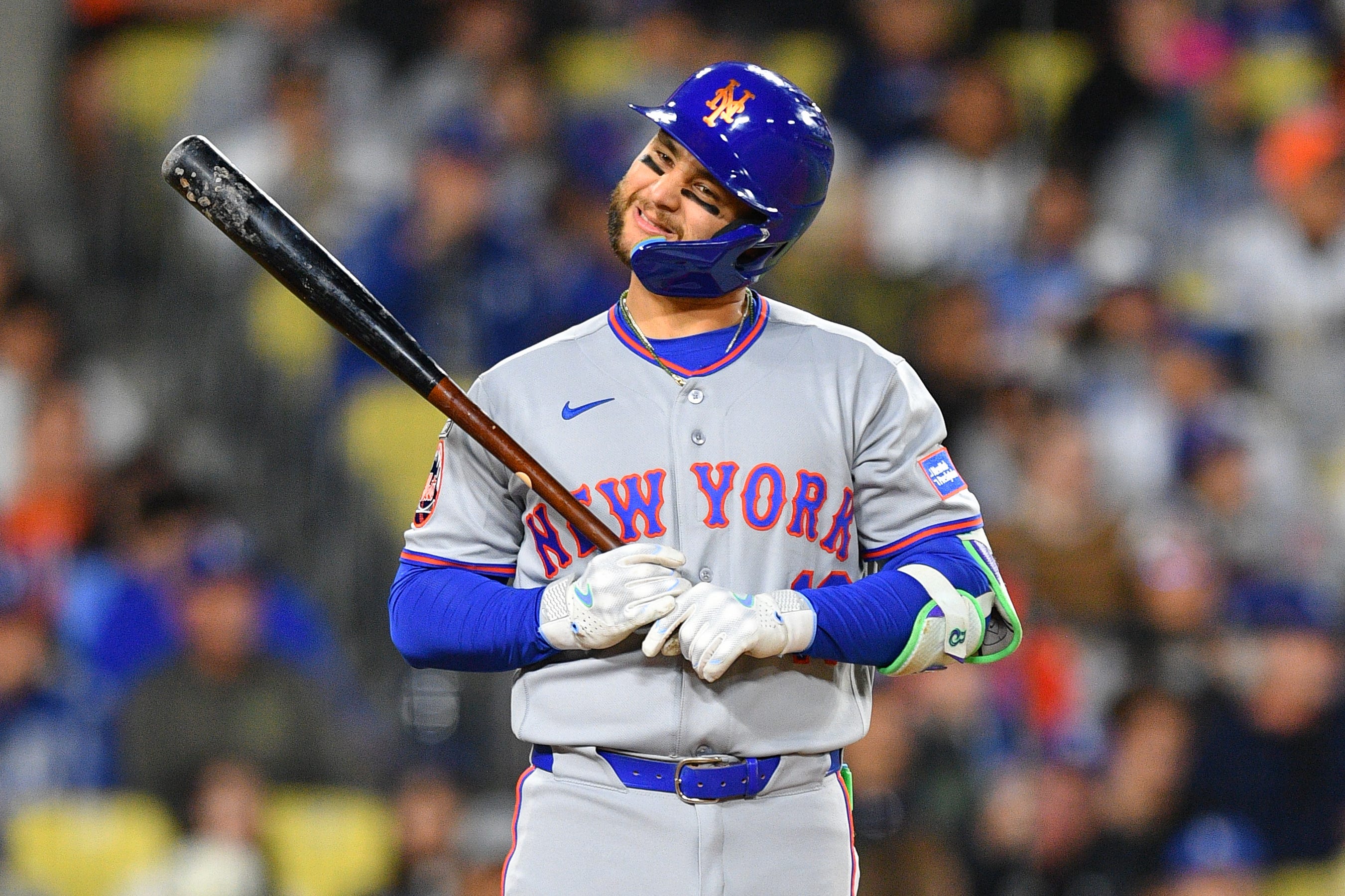
Save for a few high-scoring performances and occasional big-inning outbursts, this Mets offense has been nothing short of a disaster.
One month into the season, the Mets are averaging just 3.5 runs per game, second-worst in MLB. Hitting merely .230 as a unit, they own the league’s lowest wOBA (.278), and its third-lowest wRC+, a measly 82 — it’s been a horrendous display.
That wRC+ figure is the one I want to fixate on today. For the uninitiated, wRC+ (Weighted Runs Created Plus) is widely considered a, if not the, modern statistical standard for assessing a player or team’s actual offensive contribution. While the wOBA (Weighted On Base Average) formula does an excellent job of attributing accurate run-scoring value to on-base events, it doesn’t consider league and park factors; wRC+ takes care of that.
You can get a full breakdown on wRC+ and how it’s calculated from MLB or Fangraphs, but for our purposes, wRC+ is basically ‘wOBA + park and league adjustments.’ Where wOBA is scaled to on-base percentage (OBP), wRC+ is closer to OPS+, where 100 is average. An 82 wRC+ means the Mets are creating runs 18% less effectively than the average MLB squad — sounds about right. Since the start of the losing streak on April 8th, the Mets have scored just 38 runs, the fewest in the league over that span by a margin of 11.
In addition to neatly summarizing offensive performance, wRC+ can also be a fairly reliable predictor of postseason success. Out of the last ten World Series winners, eight of them finished the regular season among the top five in wRC+; five of them finished among the top two. The average wRC+ of these teams sits around 112, so it’s safe to say the Mets have their work cut out for them if they actually want to compete for the crown.
Let’s explore why there’s been so much suckage in Queens lately:
They aren’t getting on base enough. The Mets currently maintain a .292 OBP, the second-worst mark in baseball. They’re seeing 3.9 pitches per plate appearance, a league-average rate, but they’re walking just 7.7% of the time. Paired with a bottom-10 strikeout rate and bottom-10 team average, that signals a lot of less-than-stellar contact across the board.
The balls being put in play aren’t particularly competitive. Mets hitters are mustering just a .278 batting average on balls in play (BABIP), 21st in the league. Though they’re posting the league’s fifth-highest hard contact rate, their 44.3% ground ball rate (GB%) is the league’s tenth-highest mark. Their average group launch angle of 11 degrees isn’t helping them clear the wall (or even reach it) either. Mets hitters are also producing an average exit velocity of 89 mph — a litany of medium-power liners hit relatively low to the ground isn’t a feasible run-scoring recipe, especially with so much ground ball production.
They aren’t hitting for any power. Isolated Power (ISO) measures a hitter’s raw power output by focusing solely on their extra-base production. A league-average ISO usually sits around .140-.150; the Mets have a collective ISO of .114, third-worst in the majors. While a dip in thump was anticipated this season with the departure of Pete Alonso (and, to an extent, Brandon Nimmo), such severe simultaneous underperformance from nearly all of the Mets’ veteran contributors has made run scoring that much more difficult.
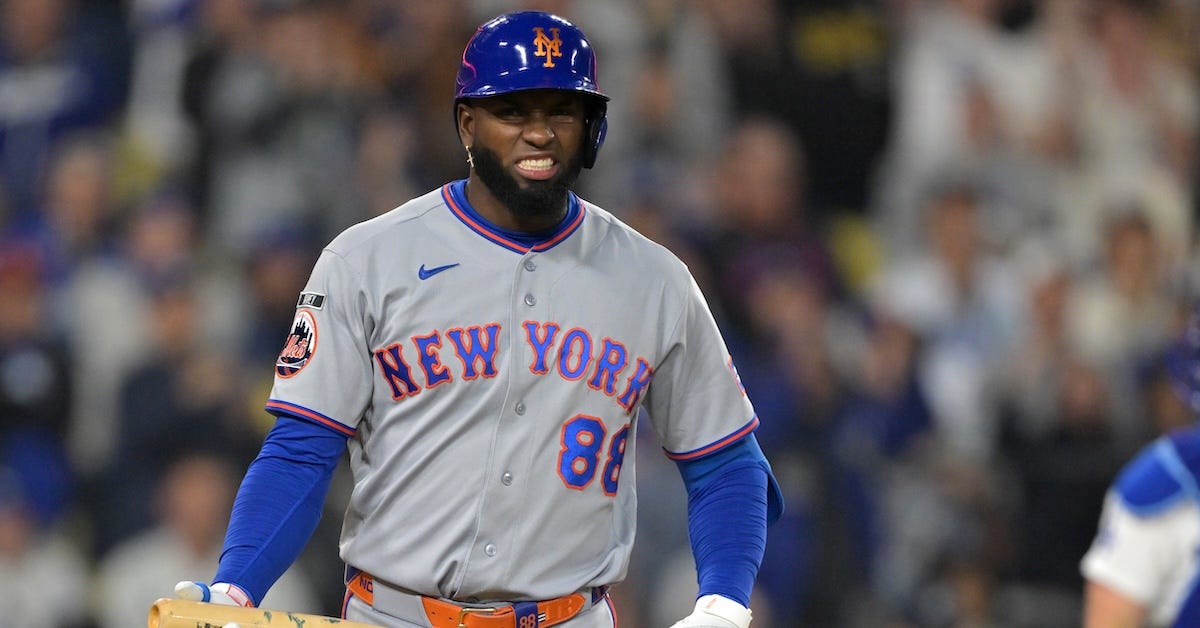
So, how do the Mets effectively treat this offensive anemia?
First and foremost, something needs to be done about the hitting program; if the Red Sox can fire their hitting coach and hitting strategy director in April, the Mets can certainly overhaul some strategy, if not something more drastic. Perhaps Jeff Albert’s hitting program that worked so well for the farm system last year isn’t translating to the big leagues, or maybe there’s a disconnect between program architect Albert and supposed implementer Troy Snitker.
Expected batting average (xBA) says the Mets should be hitting .246 as a group, which would be sixth-best in baseball, right between the Blue Jays and the Athletics. Two primary contributors to a significant discrepancy between actual and expected average are a high strikeout rate and weak contact — though the Mets aren’t particularly strikeout-prone, they put a ton of balls on the ground at manageable exit velocities. That’s not a talent issue; that’s a hitting philosophy issue.
The obvious improvements the Mets need to make right now lie in their plate discipline. They simply aren’t walking enough — generating free passes at a less than 10% clip isn’t going to cut it, especially with such a low team-wide BABIP. Similarly, they need to make smarter swing decisions. Mets hitters are swinging at just under half of the pitches they see (49.2%, third-highest in MLB), but they’re making contact at a 77% clip (13th); worse still, they’re chasing nearly 35% of the pitches they’re swinging at. Though they’re making contact with the pitches they’re chasing at a decent rate, the quality of that contact isn’t very consistent, so there are a lot of wasted swings throughout the lineup.
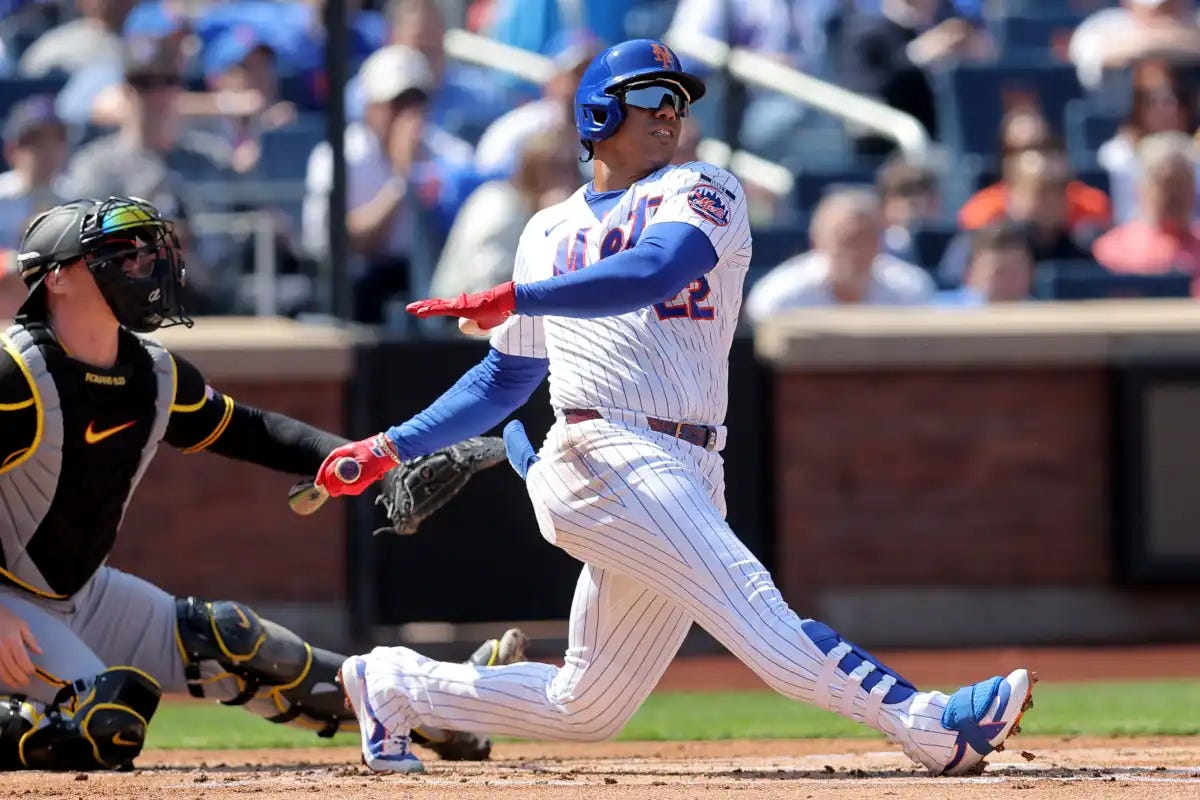
Now, all the above said, it’s also important to give credit where it’s due.
Despite the team playing atrociously over the last couple of weeks, some players have shown some much-appreciated signs of life recently in the batter’s box:
Brett Baty: After a horrific start to the season, Baty’s lumber may have finally risen from its slumber. Over the last week, Baty’s slashing .429/.529/.714 with a double, a homer, five RBI, and three walks against two strikeouts. He’s been hammering baseballs recently, with a 60% hard-hit rate in his last six games. He’s also cut his chase rate way down; hopefully that’s indicative of a budding trend.
Marcus Semien: Though still not a significant power threat, Semien has been putting more oomph behind the ball in his last 20+ plate appearances. He’s also pulling the ball in the air more frequently in recent action; if he translates some of that power increase into a more XBH-friendly profile, Semien’s second Mets homer could come any day now.
Juan Soto: Soto’s return should do quite a bit to help boost some team on-base numbers, but once his bat warms back up, he should also inject some much-needed power into a lineup that’s craving pop right now. And even if he walks a ridiculous amount out of the gate, more baserunners mean more scoring opportunities. Production is production.
Bo Bichette: Bichette’s glove has looked solid at third base, and his bat is finally starting to catch up. Hitting .280 in his last 25 at-bats, Bichette’s underlying data has looked equally as encouraging as his surface-level results. His .333 BABIP is excellent, and he’s got an 89% zone-contact rate over the past week, so he’s clearly seeing the ball well right now. Perhaps some sustained time in the leadoff spot is exactly what he needs to keep this hot streak going.
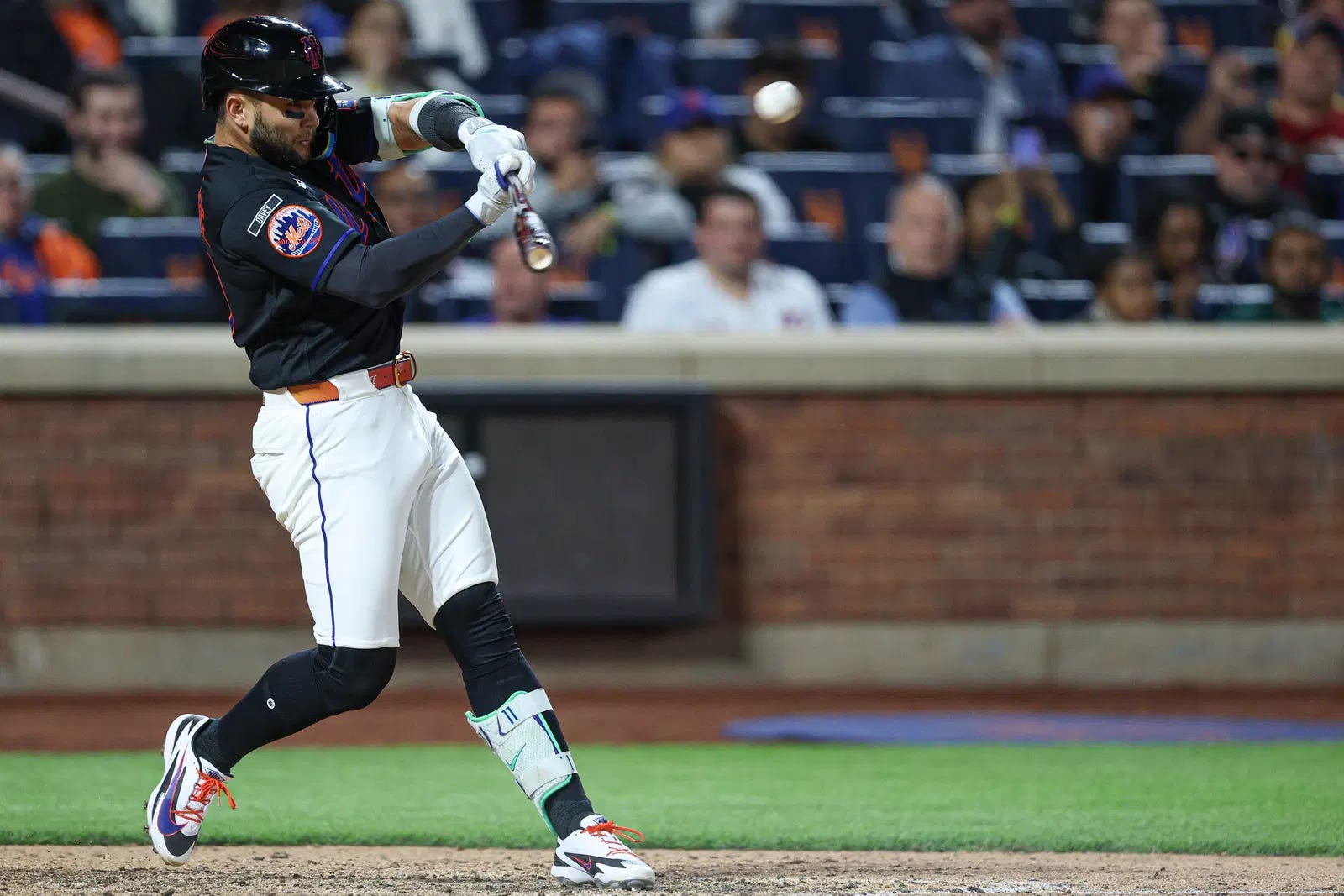
Whatever the root cause, this team’s hitting issues clearly run deeper than a handful of slow starts or injuries. Something about how these hitters approach their at-bats needs to change before they make their already bad situation even worse. Losing Francisco Lindor is going to hurt enough; that sting will be vastly worse if the remaining bats do nothing to soothe it. And with no Jorge Polanco or Jared Young to call upon, there’s bound to be some additional weight sitting on the shoulders of the Mets’ current batch of homegrown darlings to take the reins and produce.
Despite dropping Friday’s opener to the Rockies, the Mets are still in position to win the series and finish this homestand on a strong note against the Nats before getting back on the road. A majority of their games will be played away from Citi Field next month, so they’d be smart to capitalize on home-field advantage while they have it.
Around the League 🚩
The Red Sox fired manager Alex Cora and five other key members of their coaching staff after a 10-17 start to the season (MLB.com)
Mason Miller extended his scoreless innings streak to 34.2, setting the Padres franchise record
The Dodgers scored 12 runs to snap the Cubs’ 10-game winning streak
Zack Wheeler struck out six Braves and allowed two runs on five hits over five innings in his season debut as the Phillies snapped their losing streak, beating Atlanta in extras
Rookie sensation Sal Stewart continued his torrid start to the season with a five RBI performance as the Reds beat the Tigers to claim the NL Central lead
Well that was depressing to read but it matches the eye test. If it is actually a hitting philosophy issue that provides some encouragement. I thought we’d hit less HRs this year but we’d score a ton because we’d have a lineup of all good hitters. Oops.
"Let’s explore why there’s been so much suckage in Queens lately:"
Did we just become BFFS?!?